
For commanders, chiefs and decision makers
WHY HIT FACTOR?
Hit Factor puts speed of shooting and accuracy together equally. You have to do BOTH to succeed. Just like in a real fight... If you are new to hit factor and why it's useful, these two tools show why time and accuracy together decide the fight, and what it takes to get your people there.
Note that you do not have to switch your qual right away. Use Hit Factor as an Assessment. See where your people are. Guide training, guide equipment/gear/doctrine - then make the move.
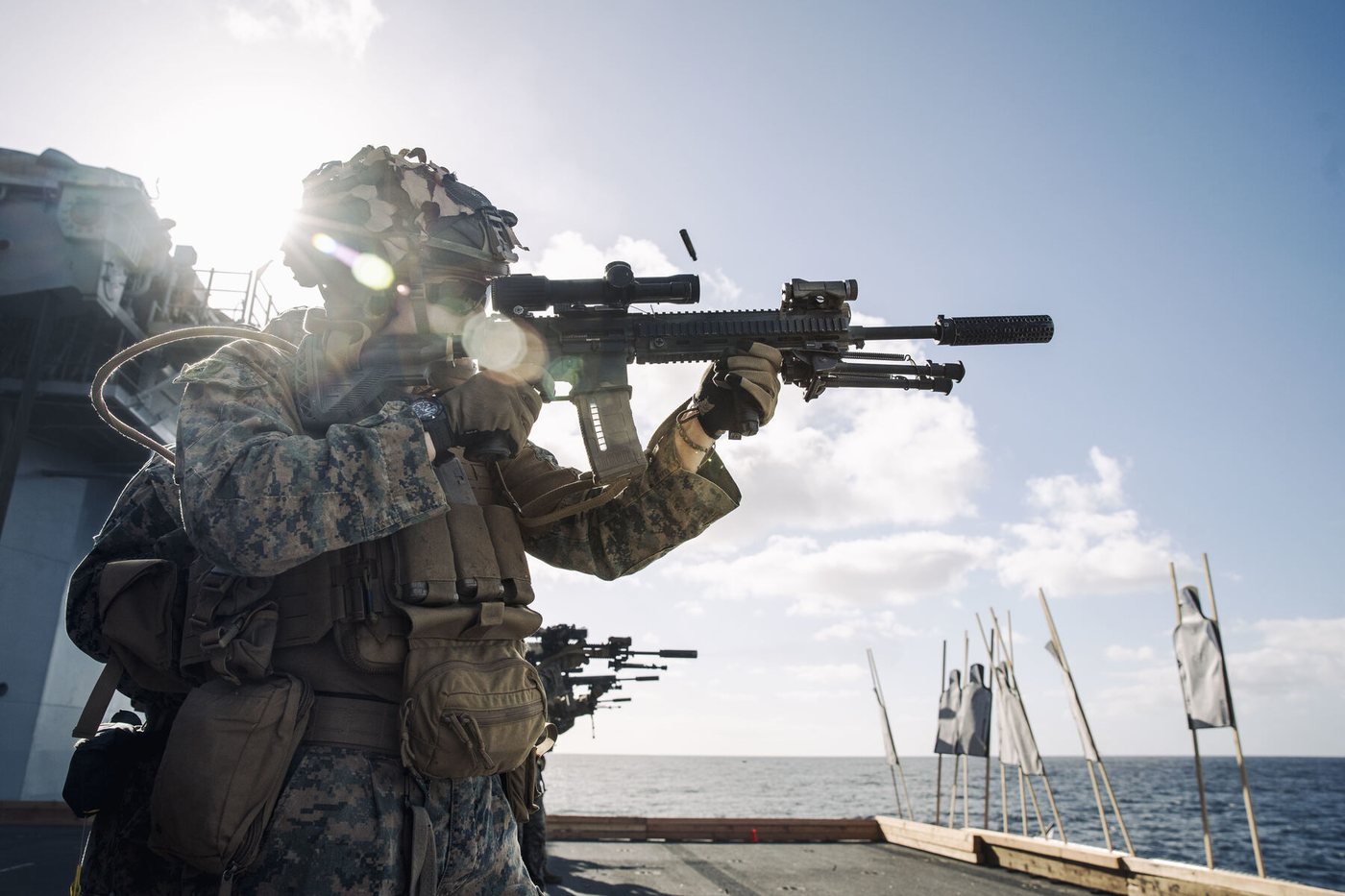
Engagement Simulator
Who stops the threat first?
Set how your shooter performs and who they're up against. We run 1,000 engagements and show how often your people win, get hurt, or lose.
One engagement, shot by shot
Sample runSame threat, different training
Win rate against this threat for each training standard.
Illustrative model with sample numbers, not Scoring Tech's engagement model. Real simulations use your JMAP assessment data and your mission profile.
How to read it
The fight goes to whoever lands the hits first.
- Draw to first shot
- The time from the threat appearing to your first round. It's usually the biggest single gap between legacy-trained shooters and everyone else.
- Splits
- Time between shots. A real fight runs at four to five shots per second, so splits near 0.20 to 0.25 s keep pace.
- Hit rate
- Speed only pays when the hits are there. Push the splits too low and hit rate falls, which the simulator shows as more rounds and longer fights.
- Body armor
- Armor raises the number of hits needed to stop the threat. It rewards shooters who can keep hitting fast, not those who hit once and pause.
Run it with your people's real numbers.
We'll assess your shooters with JMAP, build the threats from your mission, and brief your leadership on what changes.
Hit Factor Scoring
Score what decides the fight.
Hit Factor puts every hit and every second into one number, so you can see how well your people shoot, not just whether they passed.
Accuracy requires speed to survive.
Legacy scoring often treats time as a limit to stay under. Hit Factor makes time part of the score: points divided by seconds. If your qual isn't Hit Factor, we'll help you upgrade it or develop a new one, just like we did for the Marine Corps.
Move the sliders to see how shooters compare when every second counts.
Shooter A
Hit FactorShooter B
Hit FactorOn a typical pass-fail qualification, both shooters can look the same. Only one hits at the speed of the fight.
Why it matters
A pass tells you almost nothing.
Two shooters can both pass and be very different in a fight. Hit Factor shows the difference, so the score becomes something you can act on.
Speed and accuracy, together
One score blends both, so a fast miss and a slow hit can't hide behind each other.
Comparable
Compare shooters, classes, and units on the same scale to see who is ahead and who needs help.
Shows the gap
Pass-fail says who qualified. Hit Factor shows who is ready for how fast a real fight unfolds.
Defensible
Give leadership objective evidence of training quality instead of a checked box.
From score to decision
Use the score to train smarter and decide faster.
Hit Factor is more than a result. It's a baseline you can train against, measure again, and use to make better calls.
Baseline
Score everyone on the same Hit Factor course to see where people really are today.
Diagnose
JMAP's dozens of simple measures pinpoint the specific skill holding each shooter back.
Train
Aim instruction at that skill instead of repeating the whole qualification.
Re-measure
Score again, track the change over time, and show the gain.
Decisions your scores can inform.
Give your instructors and leaders facts to work from instead of guesses.
- Spot who needs help, and which skill to fix, before it matters
- Set standards built around your mission, ranges, and gear
- Test weapons, optics, ammunition, and equipment with real performance data
- Decide where to focus instructor and range time
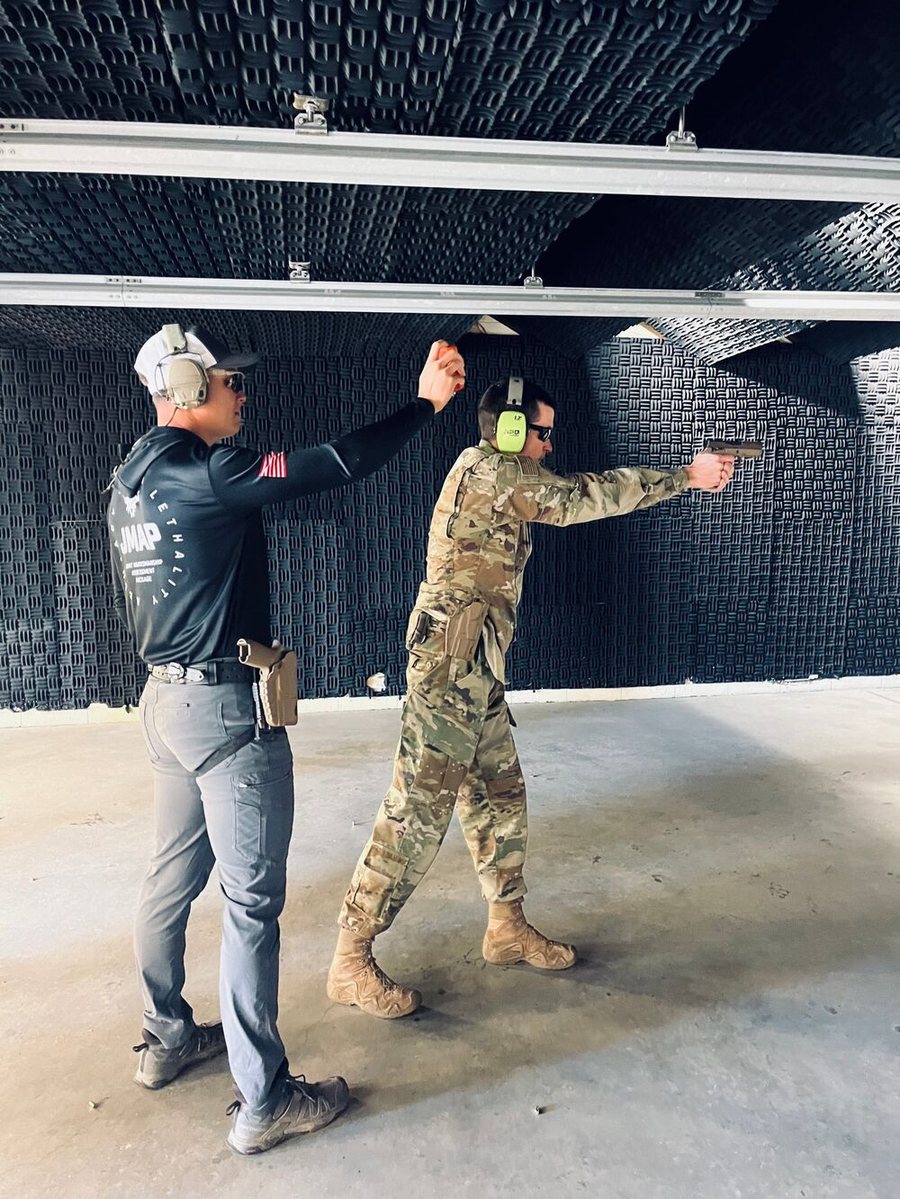
Have a points-only qual?
We'll help you upgrade to Hit Factor.
Keep what works. We'll help you add time to the score and build standards around your mission.
Start with a conversation.
Tell us your mission, or the question you want answered. We'll talk through how we would approach it.
Or: let's do an assessment and find out where your team stands.
Open now, Mon to Fri, 8am to 5pm MT. You’ll speak with our CEO, COO, or DoD Liaison.